| Getting your Trinity Audio player ready... |
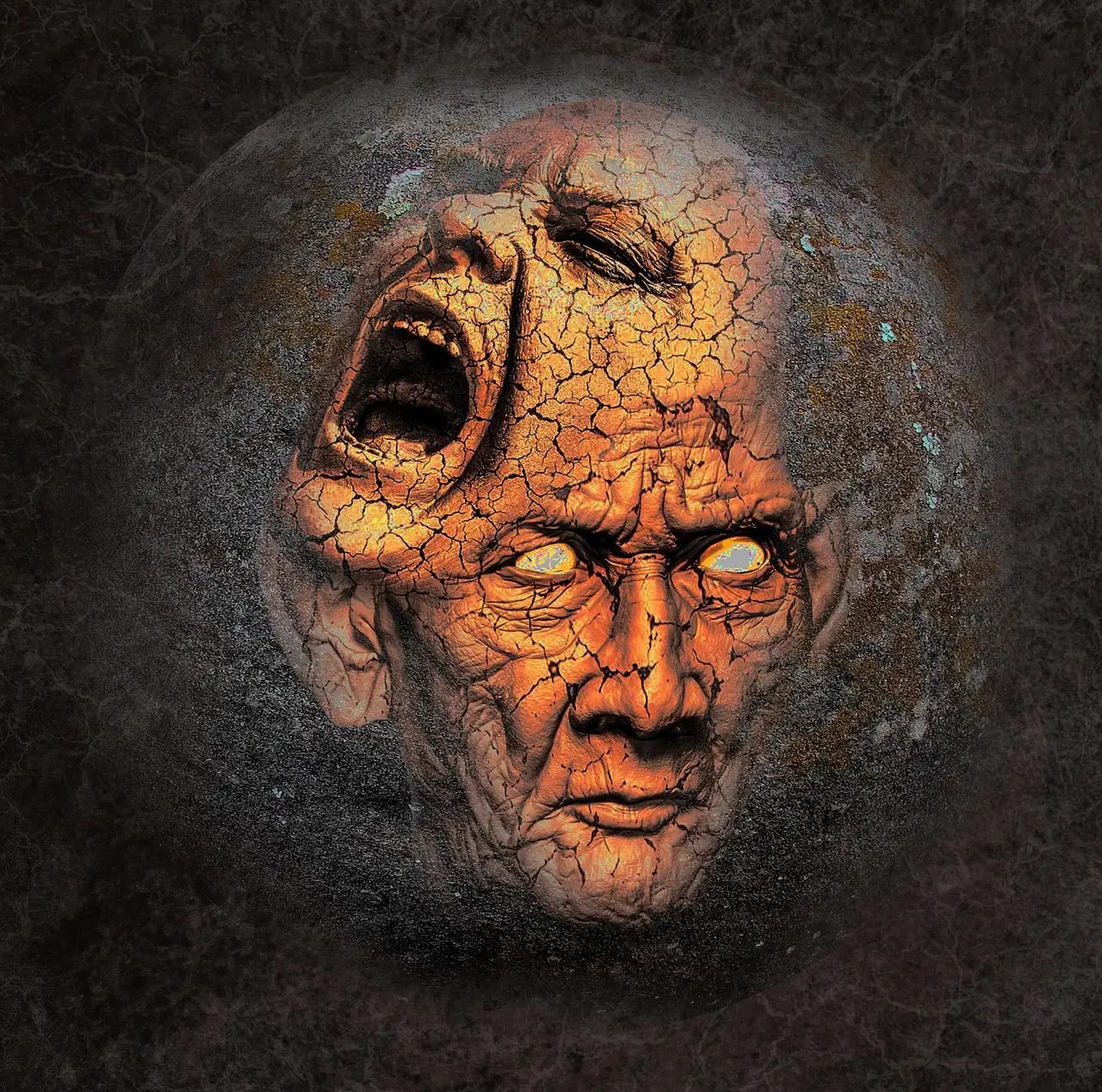
Your Pain Body
There are many names for what Eckhart Tolle calls the Pain Body. It is unprocessed emotions, it is destructive feelings, it is repressed and/or suppressed thoughts and feelings. It is those aches and pains and illnesses that have no distinct genetic or environmental cause – dis-ease as some psychologists call it.
Though you may know your pain body already, there are times it can be hard to know just what your pain body is, or how deep it goes in your mind? This is a question only you can answer, but this article is about listing the many ways to check in with yourself to spot your pain body in action.
This isn’t an in-depth article about Eckhart Tolle’s concept of the pain body and how to heal it in yourself, for that, please read The Pain Body Demystified. Instead, in this article, I concentrate on the four main areas of your life where you can check if it is your pain body in charge – your thoughts, your feelings, your actions, your body.
By your pain body being in charge I mean you are living unconsciously1 from a place of pain – mental emotional or physical pain rather than from a place of the ego – which can be enjoyable at the time, rather than painful, though is ultimately unsatisfying.
Finally, if you don’t like the concept of the Pain Body then ignore it. The list below still works as a way of pointing you towards those areas of yourself and your life that need attention and healing.
Why Thoughts, Feelings, Actions & Body?
These four areas make up the majority of your experience of the world. All are ways we have learned about the world and our places within it. All are the ways we have learned what causes us pain and in turn these are the ways in which we experience that pain.
Often these four areas overlap in an obvious way – we can be thinking (thought) about a loved one who has passed away unexpectantly, and feel sad (emotion) and cry (body) and then bash the walls (action) in frustration at the feeling of injustice.
However, often it can be surprisingly hard to be aware of our thoughts, feelings, actions and body, never mind how they overlap. For example, another person may be thinking about a loved one who has passed away unexpectantly, but they feel detached, (despite loving them) and do not cry or bash the walls. However, they have developed a chronic cough which has been with them since the funeral of their loved one and no doctor can explain what the cause might be?
So think of the lists below as tools to help you explore where you are feeling pain and to ask what is causing this pain and making it into a pain body? Why do you think, feel and act as you do? What might your body be trying to tell you?
Remember, you are never defined by any single negative thought, feeling, action or bodily sensation. These are simply your pain body parts and can actually tell you much and help you grow. Also, importantly, everyone has these kinds of thoughts, feelings, actions and bodily reactions sometimes, but it is when these become chronic or are violent in action that they best addressed.
Your Pain Body – Thoughts
We all talk to ourselves through a stream of self-chatter than most times goes on without our awareness.
So pay attention to you thoughts and look out for self-talk that is critical or judgmental, both of yourself and others. Also watch for thoughts that are focused on what you can’t do, rather than what you can do. Thirdly there are the thoughts that say things should/shouldn’t be a certain way. Try to hear the thoughts that say you are entitled to this or that, which often include the word should. Finally look for all or nothing and black/white statements that pigeon-hole you and others into a fixed way of being.
Some of the examples below are taken from The Depression Project website. The opposites are my own and “they” is used for convenience but can mean a group or a person of whatever gender or gender identity.
Look out for these kinds of thoughts, they’re telling you your pain body is in charge:
“I’m not enough” / they are born wrong
“All my friends and family hate me” / I hate them
“I’m a bad mom/dad/partner” / they are a bad mom/dad/partner
“I can’t do anything right” / they can’t do anything right
“I’m such a failure” / they are a failure
“I’m a burden” /they’re a burden
“Everyone else is better than me” / Everyone else is as bad as me
“I cant do this anymore” / they should stop what they are doing
“I wish I was more like him / her – they’re so much better than me” / Everyone is awful
“There’s no point to any of this”
“I’m weak”/ They’re weak
“I’m so ugly” / they’re so ugly
“Something bad always happens”
“I’m hopeless” / they’re hopeless
“I don’t deserve the love of anyone in my life” / they don’t deserve love
“I can never make up for all the harm I’ve caused” / they can never repair the damage they’ve done
“I’m a loser who will never amount to anything” / they are all losers
“I should have said _ – I’m such an idiot” / they’re such an idiot
“I’d rather be anyone else than me” / I’d rather they were anyone else
“I’m such a drama queen – the smallest things always trigger me” / they’re such a drama queen
“If I died no-one would go to my funeral” / if they died, no-one would care
“I’m lazy” / they’re lazy
“I’m such a weak person” / they are weak
“The world is so cruel and cold”
“I will die alone” / they will die alone
“I’m so pathetic that I can’t even take my own life” / they are so pathetic
“I don’t deserve anything good to ever happen to me” / they don’t deserve anything good
“I’ve never achieved anything” / they’ve never achieved anything
“I’m worthless and unlovable” / they’re worthless and unlovable
Your Pain Body – Feelings
How you feel is one of the most obvious ways to recognise you are in the grip of your pain body and negativity – it never feels good. But sometimes when we feel a certain way every day, this can start to feel like the way we actually are, rather than a state of ongoing unease. The comprehensive list below comes from the Berkeley Well Being Institute’s website.
Do you feel …addicted, afraid, agitation, agony, aggressive, alarm, alienation, anger, anguish, annoyed, anxious, apathy, apprehension, aversion?
Do you feel… baffled, bewildered, bitter, bored, brooding, claustrophobic, confusion, contempt, cowardly, cruel,
Do you feel… dazed, dejected, demoralized, depressed, despair, disappointment, discombobulated, discomfort, discontentment, disgruntled, disgust, disheartened, dislike, dismay, disoriented, dispirited, distress, disturbed, doubtful, dread, dumbstruck?
Do you feel… embarrassment, ennui, envy, exasperate, fear, fright, frustration, fury, gloomy, glumness, greed, grief
grouchiness, grumpiness, guilt
Do you feel… hate, helpless, homesickness, hopeless, horrified, humiliation, hurt, hysteria, impatient, indignant, infuriated, insecurity, insulted, irritated, isolated?
Do you feel… jealousy, lazy, loathing, lonely, longing, loopy, mad, melancholy, miserable, miserliness, mixed up, moody, mortified, nasty, nauseated, negative, neglected, nervous, numb?
Do you feel… obstinate, offended, outrage, overwhelmed, panicked, paranoid, perplexed, pessimism, pity, possessive, powerless, puzzled, rage, rattled, regret, rejected, reluctant, remorseful, resentment, resignation, restlessness, revulsion, ruthless?
Do you feel… sadness, scared, scorn, self-conscious, self-critical, self-doubtful, self-loathing, self-pity, shame, shocked, smug, sorrow, spite, stressed, stubborn, stuck, submissive, suffering, sullen, suspicious?
Do you feel… tension, terror, tired, torment, troubled, uncertainty, undermined, uneasiness, unhappy, unnerved, unsettled, unsure, upset, vengeful, vicious, vigilant, vulnerable, weak, woe, worried, wrath?
Your Pain Body – Actions
The way you act in life is a reflection of your inner space and so links and crossover with the previous categories of thoughts and feelings. If you are acting in one or more of the ways listed below either in an ongoing way or with sudden unpredictable outbursts then look to why you are acting like this – what part of you, what of your pain body needs help?
Addictive behaviours – Using alcohol or drugs, work, sex, food, shopping or any other number of ways to excess to escape the day to day reality of your life and your thoughts and feelings.
Physical or Verbal Aggression -Engaging in threatening behavior, violence, or hostile speech toward others.
Persistent Harassment or Intimidation – Deliberately targeting others to cause distress, fear, or humiliation.
Deception and Manipulation – Concealing the truth, bending facts, or misleading others for personal gain.
Spreading Harmful Rumors – Circulating unverified or damaging information to undermine someone’s reputation.
Constant Complaining – Focusing excessively on problems without seeking solutions, draining energy from conversations.
Habitual Lying – Consistently distorting the truth, whether for self-protection or manipulation.
Overassertiveness in Conversations – Dominating discussions by offering unsolicited advice or excessive personal opinions.
Misinterpreting Others’ Intentions – Frequently assuming negative motives in others without clarity or communication.
Emotional Manipulation (Gaslighting) – Causing someone to question their memories, perception, or judgment to gain control.
Envy Toward Others’ Achievements – Feeling bitterness or resentment in response to another person’s success or happiness.
Lack of Appreciation – Failing to acknowledge the kindness or contributions of others.
Poor Listening Habits – Interrupting, ignoring, or dismissing others’ viewpoints or feelings.
Paranoid behaviour – running scared of others as if they are out to get you.
Unfriendly or Antagonistic Attitude – Projecting negativity and tension in social interactions.
Disrespectful or Unkind Behavior – Interacting with others in ways that diminish their dignity or worth.
Avoiding Responsibility – Blaming others or circumstances instead of owning up to mistakes or obligations.
Inflexibility to Feedback or Change – Shutting down constructive criticism or resisting new perspectives.
Withholding Important Information – Refusing to share critical facts or updates, leading to confusion or mistrust.
Passive-Aggressiveness – Expressing hostility indirectly through sarcasm, silent treatment, or backhanded compliments.
Overcontrolling Others – Micromanaging people or situations due to fear of unpredictability or lack of trust.
Victim Mentality – Regularly framing oneself as helpless or wronged, avoiding growth and accountability.
Blaming Others Excessively – Deflecting responsibility by habitually pointing fingers at others.
Emotional Stonewalling – Shutting down emotionally and refusing to engage or communicate during conflict.
Overreacting to Minor Issues – Escalating small challenges into major confrontations unnecessarily.
Chronic Procrastination – Delaying important tasks, which leads to stress for oneself and others.
Being Judgmental or Condescending – Looking down on others or making moralistic assessments based on personal bias.
Undermining Others’ Confidence – Making subtle remarks or gestures intended to belittle or discourage someone.
Your Pain Body – Body
The realisation that our psychic pain also shows up as physical ailments is gaining traction in mainstream culture even though it is still far off being adopted by mainstream medicine. Search out the myriad books, podcasts and websites dedicated to this and check out the article and reference list on this website – Mind Body Healing.
The list below comes from the TMS Wiki list of success stories. Visit the website where there is a link to the story of someone who recovered from the conditions listed below by addressing emotional and psychological wounds rather than through the usual physical medicine route. Each one, in essence, healed their pain body, and so healed the physical symptom associated with it. If your pain body expresses as physical illness the answer to healing it may be in the stories below.
And, the list below is not exhaustive of the physical ailments and diseases (yes, even the major killers – Cancer and Heart Disease) that can resolve and be cured through looking inside and attending to your pain body.
Achilles Tendonitis; Acid Reflux; Allergies; Anxiety Symptoms; Arm Pain; Asthma; Back Pain; Bursitis; Buttock Pain; Carpal Tunnel Syndrome (CTS); Chondromalacia; Chronic Fatigue Syndrome; Coccydynia; Complex Regional Pain Sndrome (CRPS); Depression; Dermatological conditions; Dry Eye; Dry Mouth, Burning Mouth, Sjogren’s Syndrome; Dizziness; Elbow Pain; Fibromyalgia; Food Sensitivities; Foot Pain; Frequent Sickness; Gastroesophageal Reflux Disease (GERD); Groin Pain; Hand Pain; Headaches; Heel Pain; Herniated Disc; Hiatus Hernia; Hip Pain; Hyperacusis; Iliotibial (IT) Band Syndrome; Insomnia; Interstitial Cystitis (IC); Irritable Bowel Syndrome (IBS); Knee Injuries; Leg Pain; Migraines; Multiple Chemical Sensitivity (MCS); Myofascial Pain Syndrome; Neck Pain; Neuropathy; Panic Attacks; Paroxysmal Hypertension; Piriformis Syndrome; Plantar Fasciitis; Post-Polio Syndrome; Prostate Pain; Raynaud’s Phenomenon; Reflex Sympathetic Dystrophy (RSD); Repetitive Strain Injuries; Restless Leg Syndrome; Sacroiliac Pain; Sciatica; Shin Splints; Shoulder Pain; Skin problems such as rashes; Spasmodic Dysphonia; Spinal Stenosis; Spondylolisthesis; Stomach Pain; Temporomandibular Joint Syndrome (TMJ); Tendonitis; Thoracic Outlet Syndrome (TOS); Tinnitus; Tooth Pain; Trigger Finger; Vertigo; Vision Problems; Vulvodynia.
Awareness & Presence
The lists above can help bring you awareness of your thoughts, feelings, actions and body. This will help you understand how these states relate to each other and so if/when you are dominated by any of them in particular – dominated by your Pain Body in Tolle’s language.
But once you have awareness, what then?
Presence2 is the next step. Presence is essentially awareness of your awareness. Presence is the stepping back from these four ways of experiencing the world (though, feeling, action, body) and so becoming the space around your experience. When you find presence in your life you find it easier to no longer become carried away by your Pain Body into negative, unhealthy thoughts, feelings, actions and bodily reactions.
In a state of Presence you can even see that the Pain Body is not intrinsically bad, and though often described as negative, it is actually calling your attention to what you need to heal in yourself. In this way in can exert an incredibly positive influence.
Footnotes
- Unconsciously here is used in the sense that Eckhart Tolle uses it, that is you are in no way aware of your thoughts, feelings or actions, you are not mindful of them. In IFS language you are blended with your thoughts, feelings or actions. In my own language you are completely your World Identity with no connection to Universal Consciousness. ↩︎
- Presence is difficult to describe as it is a felt experience. It is many things and like many things – mindfulness, meta-cognition, self-awareness, inhabiting The Self in IFS, self-awareness of yourself as Universal Consciousness, witnessing the world at the same time as experiencing it. See many articles within this website for more. ↩︎